
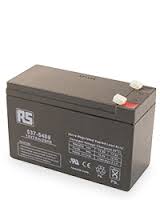
Why switch to rechargeable batteries
Replacing disposable batteries with rechargeable ones is good for the environment in more than one way, and it can also save you a lot of money.
Overall, rechargeable batteries do far less damage to the environment than single-use ones.
Most disposable batteries are alkaline and may contain mercury, a pollutant. They are also often hard to recycle, because collection points can be difficult to find.
According to one study, making rechargeable batteries has a smaller impact than making disposable ones on:
- non-renewable resources
- global warming
- air pollution (ozone)
- acidification of the air
- water pollution
Rechargeable batteries also produce much less waste, and today's models hold far fewer heavy metals than older ones. Less energy is needed to transport them, and less packaging is used.
To make them last, do not overcharge them and keep them away from strong heat and direct sun. Labelling them helps you use each one evenly. Once a battery no longer holds a charge, take it to a recycling point.
In the end, rechargeable batteries are the greener choice, and if you use a lot of batteries they can save you thousands of dollars over the years.