
Protecting our watersheds
Almost every living thing on earth needs water. Water covers about 70% of the planet, but less than 2% of it is fresh water, the kind that plants and animals need. We must understand how valuable fresh water is, and how what we do on land affects the water that all life relies on.
Two regions show the issue well. In the Great Lakes area, the health of watersheds is best followed by testing the water for contaminants: when toxic substances are released into local streams and rivers, the quality of the lakes drops. In the Pacific Northwest, salmon serve as an indicator species. When rivers and streams become polluted, salmon numbers fall.
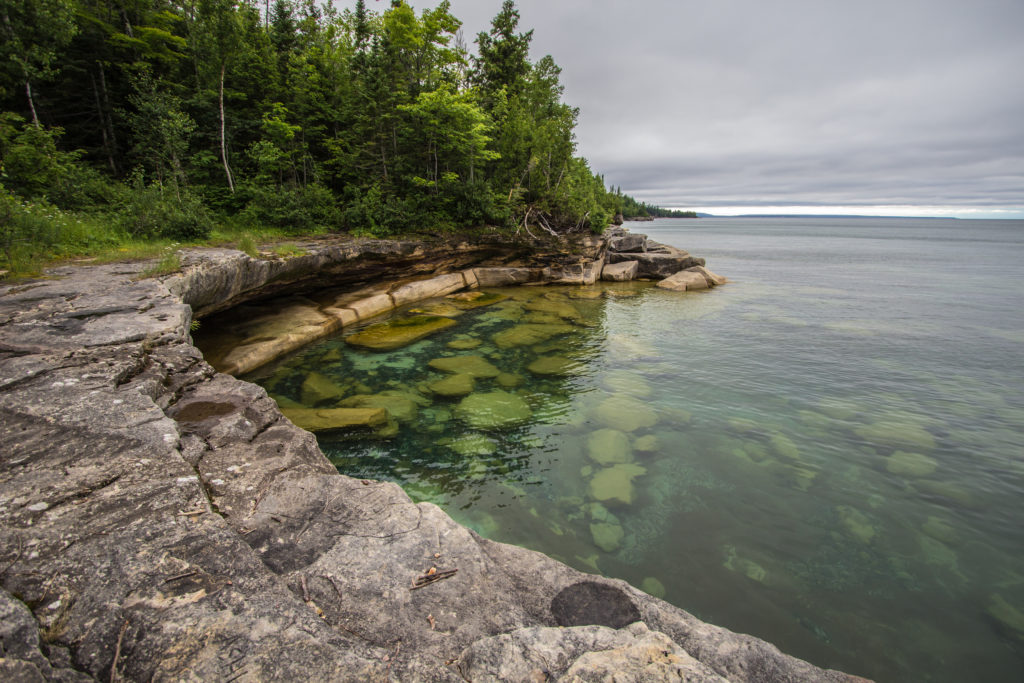
Photo credits to http://www.esta-usa-conseil.com
These examples can be linked to everyday life by studying your own local watershed. Everyone should know where the watershed that supplies their drinking water begins and ends, and what problems it faces. The lessons from the Great Lakes and the Pacific Northwest help us understand water quality closer to home.
Concept maps and flow charts are useful to organise the many ideas involved in water quality and aquatic habitats. Strategic planning models also help show how complex local decisions are when communities must weigh water quality against land use.
This approach is meant to support field trips that create real links between people, their community and the natural world around them.